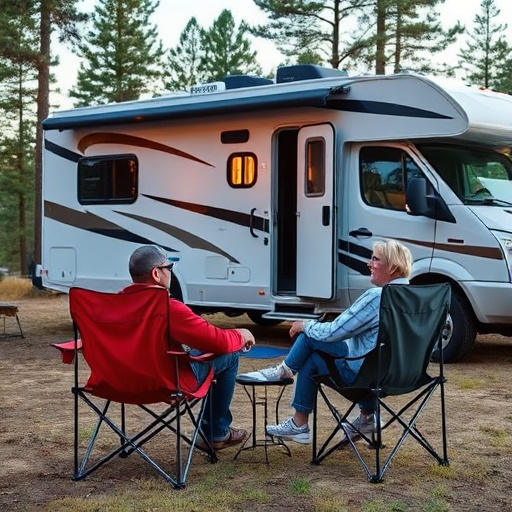
Choosing your first RV and planning your adventures in the Southwest's desert landscapes and high-elevation regions is an exciting yet demanding endeavor. Many travelers face challenges when transitioning from traditional camping to RVing, especially in unique environments like these. This article provides an in-depth guide to ensure a smooth and memorable experience. We'll walk you through the process of selecting the perfect RV, understanding essential logistics, and mastering advanced driving and maintenance techniques tailored to desert Southwest and high-elevation conditions. From budgeting and pre-ownership inspections to managing water pressure and navigating mountain grades, we cover everything needed for successful monthly RV park stays in the region.
- Planning Your Desert Southwest Adventure
- Choosing the Right RV Park at High Elevation
- Surviving and Thriving in Extreme Conditions
- Extending Your Stay: Monthly RV Park Tips
Planning Your Desert Southwest Adventure
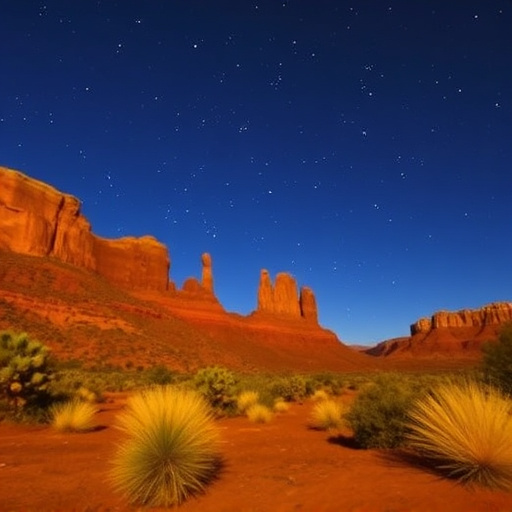
When planning your desert Southwest adventure, consider the unique challenges and rewards that come with exploring this rugged and beautiful region. The Southwest, with its high elevations and arid landscapes, demands careful preparation, especially when RVing. This is where a well-planned monthly RV park stay can make all the difference.
Manzanos RV Park, nestled in the foothills of the Gila National Forest near Silver City, New Mexico, is an ideal base for exploring the area. It offers full hookups, making it convenient for travelers who want to enjoy the region's natural wonders without the hassle of finding primitive sites. When choosing your RV for this trip, consider the terrain. The desert heat requires adequate ventilation and shading, while high-elevation drives may necessitate a vehicle with stronger brakes and lower gear ratios. Remember, desert conditions can vary greatly, so be prepared for both extreme heat and cool nights.
Water conservation is paramount in the desert. Many RV parks, including Manzanos, have implemented strategies to reduce water consumption. Learn about these practices and consider how you can contribute. Using water-efficient appliances and fixing leaks immediately can make a significant difference. When dumping your black and grey tanks, familiarize yourself with the park's procedures to ensure proper waste management. This not only protects the environment but also avoids potential issues with RV park management.
For a smoother experience, plan your monthly RV park stay with key features in mind. Full hookups are a must, but also look for parks that offer a well-shaded campsite, good internet connectivity, and a convenient location for exploring nearby attractions. Many parks have monthly rates that include utilities, providing excellent value for extended stays. Remember, the Southwest's allure lies in its diverse landscapes and rich cultural heritage. By planning ahead and choosing the right RV park, you can make the most of your desert adventure.
Choosing the Right RV Park at High Elevation
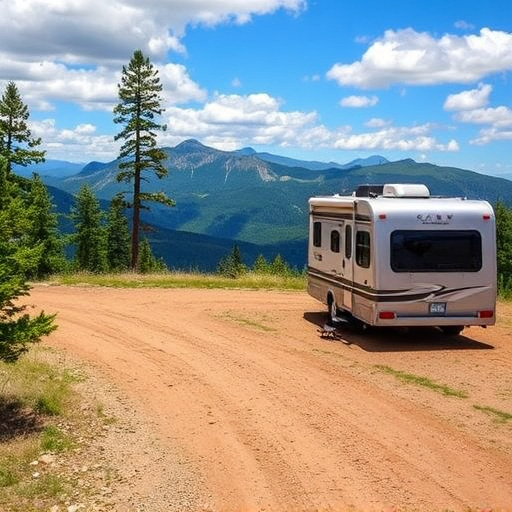
Choosing the right RV park is crucial when you're new to the world of RVing, especially when exploring the unique challenges of the desert Southwest and high-elevation regions. This is particularly true if you plan on extended stays, like considering monthly RV park stays. The landscape of these areas demands specific considerations for RV accommodations.
When selecting a park in high-elevation terrain, such as the ones found in the foothills of the Gila National Forest, look for facilities that cater to these conditions. Many parks offer pull-through sites, which are ideal for easy access and maneuverability, especially for larger travel trailers. Ensure the park provides full hookups, allowing you to run your air conditioning and heat while enjoying the scenic views. Remember, high elevations can bring colder nights and unique weather patterns, so adequate heating and water pressure are essential. The water pressure regulator is a critical component to check, ensuring consistent water flow during your stay.
Monthly RV park stays in these regions can provide a sense of community and convenience. Many parks offer discounts for extended stays, and some even organize social events and activities for their long-term residents. This is a great way to connect with fellow RV enthusiasts and gain insights into the local area. When backing into a campsite, take your time and use the park's guidance, as some sites might be more challenging due to the terrain. Regular RV maintenance, such as checking tire pressure and propane levels, is also crucial during these stays, given the varying conditions. Remember to follow park etiquette, respect your neighbors, and consider the environment to ensure a peaceful and enjoyable experience.
Surviving and Thriving in Extreme Conditions
Surviving and thriving in extreme conditions is a key consideration when RVing in the desert Southwest and at high elevation. These environments present unique challenges that require a thoughtful approach to ensure a safe and enjoyable trip. Managing heat in the scorching desert summers and navigating high-elevation driving in the mountains are skills every RV enthusiast should master.
In the desert, where temperatures can soar above 110F, proper heat management is paramount. Operating an RV in such conditions demands careful consideration of your vehicle's capabilities and the potential strain on its systems. Full hookups at RV parks can offer relief from the heat, providing access to air conditioning and running water. However, when boondocking, or off-grid camping, it's crucial to understand your RV's cooling system and limit prolonged use of power-hungry appliances. A well-maintained RV water pressure regulator is also essential to avoid strain on your systems when filling up at remote spigots.
At high elevation, such as in areas like the mountains near Silver City, an RV park just 5 minutes from historic downtown offers a welcome respite. Driving at high altitudes presents challenges due to reduced oxygen levels, which can affect engine performance. Mountain grades can be steep, requiring careful towing techniques and adherence to weight limits. Winter RVing in these regions necessitates preparation for freezing pipes and learning about RV maintenance basics to keep your vehicle in top condition. Ensuring your RV is equipped for full hookups at these sites can make winter stays more comfortable, with access to running water and electricity.
To maximize your enjoyment during these extreme conditions, plan ahead for monthly RV park stays, taking advantage of the amenities and services offered. Regular maintenance, including tire safety checks and dump station visits for black and grey tanks, is crucial for peace of mind. Remember, the desert and high elevation present unique challenges, but with proper preparation and an understanding of your RV's capabilities, you can enjoy a rewarding and memorable RVing experience.
Extending Your Stay: Monthly RV Park Tips
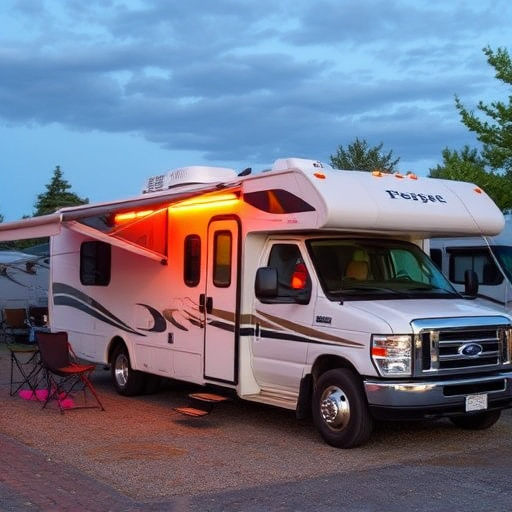
Extending Your Desert Southwest Adventure: Navigating Monthly RV Park Stays
When exploring the vast landscapes of the desert Southwest and high-altitude regions, many RV enthusiasts opt for extended stays in RV parks. These parks offer not just a place to rest but a gateway to immerse yourself in the local culture and surroundings. Consider an RV park just 5 minutes from historic downtown Silver City, New Mexico, where you can easily access unique attractions and natural wonders. To make the most of these longer stays, here are some expert tips for RVing in these environments.
Monthly RV park stays require a different approach than shorter visits. Look for parks that offer long-term rates, often with additional amenities tailored to extended guests. Full hookups are a must, providing the convenience of running water, electricity, and sewage facilities. However, be mindful of the local climate. In desert regions, heat management is crucial, especially during summer months. Consider investing in a high-quality RV air conditioner and learning how to efficiently use it to combat the scorching temperatures. Similarly, at high altitudes, such as those found in parts of Arizona and Colorado, mountain grades and elevation can impact your RV's performance. Ensure your vehicle is properly maintained and consider the extra challenges these conditions present.
Water conservation is another key aspect, especially when boondocking or in areas with limited water resources. Many RV parks now offer water recycling services, allowing you to minimize your impact. Learn the ins and outs of dumping black and grey tanks responsibly. Some parks have specific times and facilities for this task, so check their rules and regulations. For daily living, create a setup checklist tailored to your needs, ensuring a smooth and efficient routine. This includes familiarizing yourself with RV tire safety, weight limits, and propane safety, as these are critical for a peaceful and secure stay. Lastly, don't forget the joy of exploring nearby attractions. Monthly stays offer the freedom to examine deeper into the region's history, cuisine, and natural beauty.
Frequently Asked Questions About tips for RVing in the desert Southwest and at high elevation
What are the unique challenges of RVing in the desert Southwest?
The desert Southwest presents several key challenges. Extreme heat during the day and rapid temperature drops at night require adequate insulation and effective cooling systems. High UV radiation levels necessitate proper sun protection for both you and your RV. Water conservation is paramount due to limited resources, so plan for efficient water usage. Be prepared for dusty conditions, which can impact both your RV and your health, leading to increased maintenance needs.
How do I prepare my RV for high elevation driving?
Driving at high elevations requires specific preparations. Ensure your RV's tires are properly inflated to account for lower oxygen levels. Check and service your engine, as altitude can affect performance. Carry extra fuel, as higher elevations may have limited stations. Familiarize yourself with altitude sickness symptoms and precautions, as both you and your passengers could be affected. Consider investing in a high-altitude-rated oil and fuel, as these can improve performance and reduce stress on your engine.
What kind of clothing should I pack for desert RVing?
Pack lightweight, breathable clothing for the day, with a focus on protecting against sun damage. A wide-brimmed hat, sunglasses, and sunscreen are essential. Bring a light, long-sleeved shirt and pants for cooler evenings, along with a warm layer for overnight lows. Sturdy, comfortable shoes are crucial for exploring, and consider a pair of dust masks for protection against fine desert dust.
How do I find reliable RV campgrounds in the area?
Reliable RV campgrounds in the desert Southwest can be found through online directories like Campendium, Hipcamp, and Recreation.gov. Local RV clubs and forums can offer valuable insights. Many national and state parks provide RV campsites, often with hookups. Always read reviews and check amenities to ensure the campground meets your needs. Contacting the campground directly is also a good way to confirm availability and any special requirements.
What safety precautions should I take while RVing in the desert?
While RVing in the desert, prioritize safety by staying hydrated and monitoring your surroundings. Carry a comprehensive first-aid kit tailored to desert conditions. Be mindful of wildlife encounters and keep food securely stored. In case of emergencies, have a well-stocked emergency kit and know the location of nearby medical facilities. Inform someone of your itinerary and expected return time, especially when exploring remote areas.
Planning a desert Southwest or high-elevation RV adventure? This article has provided invaluable insights to help you choose the perfect park, navigate challenging conditions, and extend your stays. Key takeaways include understanding the unique demands of desert and mountain environments, selecting RV parks with full hookups and level spots for comfort, and budgeting for potential water, propane, and electric usage fluctuations. Knowing the difference between 30 and 50 amp services and managing water pressure regulators is essential.
To make the most of your monthly RV park stays, prioritize park amenities that support your needs, from dumping stations for black and grey water to secure areas for your companion animals. Don't forget practical tips like towing procedures and RV weight limits, especially when boondocking or navigating mountain grades. By following these guidelines and leveraging the expertise outlined in this article, you'll be well-equipped to enjoy a safe, comfortable, and memorable RVing experience in these spectacular landscapes.
Choosing the right RV park for monthly stays in the desert Southwest and high-elevation regions is crucial for a successful adventure. Consider:
- Terrain: High elevations may require stronger brakes and lower gear ratios, while deserts demand adequate ventilation and shading.
- Accommodations: Look for full hookups, well-shaded sites, good internet, and convenient locations.
- Water Conservation: Implement water-efficient practices and follow park procedures for waste management.
- Community: Monthly rates and social events create a sense of community and convenience.
- Safety & Maintenance: Regular checks for tire pressure, propane levels, and water pressure regulator are vital.
- Local Culture: Take advantage of extended stays to explore attractions and immerse yourself in the region's heritage.