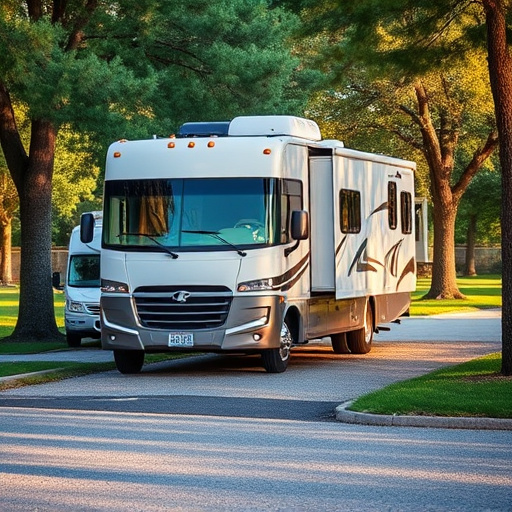
Choosing your first RV and navigating its operation in unique desert and high-elevation environments can be both thrilling and challenging. As more people opt for boondocking-off-grid RVing in remote areas-over relying solely on RV parks, understanding how to safely and comfortably explore these harsh landscapes becomes crucial. This article offers practical tips for first-time RV owners on selecting the right vehicle for your needs, managing essential resources like water and propane, and mastering driving and campsite setup in the desert Southwest and at high elevations. We'll also explore the pros and cons of boondocking versus staying in RV parks, helping you make the most of your outdoor adventures.
- Planning Your Desert Southwest Adventure
- Choosing Between Boondocking and RV Parks
- Navigating High-Elevation Driving & Camping
- Essential Gear for Desert & Mountain Conditions
Planning Your Desert Southwest Adventure
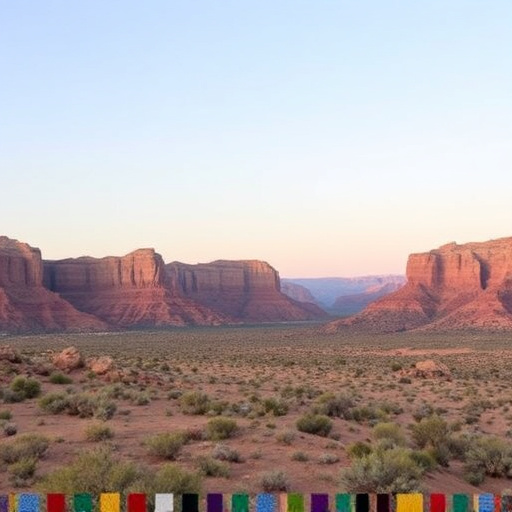
When planning your desert Southwest adventure, deciding between boondocking and staying in RV parks is a crucial first step. Boondocking, or off-grid camping, offers a level of independence where you're completely self-sufficient, away from any services or amenities. This is ideal for those seeking solitude, immersing themselves in nature, and testing their self-reliance. Conversely, RV parks provide a more connected experience, with access to running water, electricity, and even sewer hookups. They're perfect for those valuing convenience, community, and the chance to meet fellow RV enthusiasts.
An RV park in the foothills of the Gila National Forest offers a unique blend of nature and community, with pull-through sites suitable for various RV types. This type of campground often features scenic landscapes, abundant wildlife, and recreational opportunities nearby. On the other hand, boondocking sites can be found in remote areas, such as the vast deserts or rugged mountains of the Southwest. These sites may lack amenities, but they offer a sense of freedom and a chance to truly disconnect.
Full hookups, a significant consideration when choosing between boondocking and RV parks, refer to the availability of electricity, water, and sewer connections. While boondocking sites typically lack these amenities, RV parks usually provide them, with options like 30 amp and 50 amp hookups. This impacts your choice based on your RV's capabilities and your comfort level with off-grid living. If you're towing a car behind your RV, you'll need adequate space and hookup accessibility, which RV parks usually accommodate better.
When deciding, weigh your priorities: independence and isolation versus convenience and community. Remember, both boondocking and RV parks have their unique advantages. For monthly stays, many RV parks offer discounted rates and community events, fostering a sense of belonging. Boondocking, on the other hand, encourages a deeper connection with the land and can be more budget-friendly for extended stays, although you'll need to plan for water and waste management, such as safely dumping black and grey tanks.
Choosing Between Boondocking and RV Parks
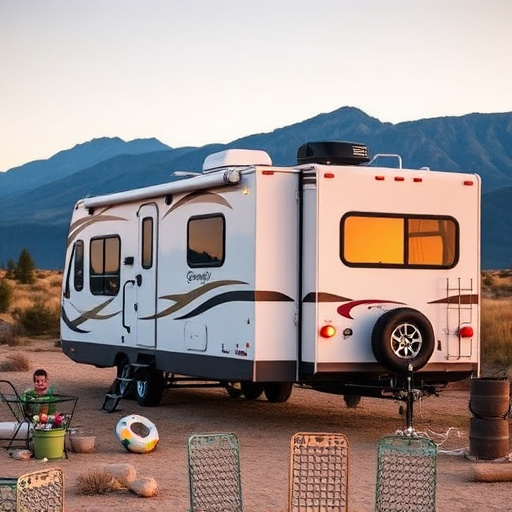
When choosing between boondocking and RV parks for your desert Southwest and high elevation adventures, consider your comfort level, resources, and desired experience. Boondocking, or off-grid camping, offers a sense of freedom and closeness to nature. It allows you to disconnect from services like electricity and water, and embrace a more rustic experience. This is ideal for those who enjoy self-sufficiency and the challenge of remote camping. However, be prepared for potential inconveniences like limited water sources, no trash collection, and the need to carry in all necessary supplies.
On the other hand, RV parks, like Manzanos RV Park in the foothills of the Gila National Forest near Silver City, NM, offer a more developed and serviced environment. These parks typically provide full hookups, including water, electricity, and sewage, as well as amenities like restrooms, laundry facilities, and even Wi-Fi. This is perfect for those who value convenience, comfort, and the opportunity to socialize with fellow RV enthusiasts. However, sites in popular parks can fill up quickly, and regular fees may add to your overall travel budget.
A key factor in deciding between these options is your desired level of isolation. Boondocking is best for those who want to immerse themselves in the wilderness, away from other campers. RV parks, especially those close to historic towns like Silver City, offer a balance by providing access to both nature and community. After exploring the desert or high-elevation landscapes, you can easily return to the park for amenities and the chance to share stories with fellow travelers.
The choice between boondocking and RV parks depends on your personal preferences, experience level, and budget. For longer stays or those seeking a mix of adventure and comfort, an RV park close to town can be ideal. But if you crave solitude and self-reliance, boondocking can provide an unforgettable, if more challenging, experience. Always research and plan ahead, considering factors like water availability, local regulations, and the specific needs of your RV and its occupants.
Navigating High-Elevation Driving & Camping
Navigating high-elevation driving and camping in the desert Southwest presents unique challenges. As you ascend into the mountains, air pressure decreases, oxygen levels drop, and the weather can change rapidly. A clear sky at 5,000 feet might give way to fog and freezing temperatures at 8,000 feet. Drivers need to be extra vigilant, especially when towing a vehicle behind an RV, as mountain grades can be steep and sudden drops in elevation can affect traction and braking.
When setting up camp, whether in a pull-through site at a full hookup RV park in southwest New Mexico like Manzanos RV Park or boondocking in the wilderness, remember that water pressure can be lower due to reduced atmospheric pressure. This can impact your showering and washing routines. A practical tip is to bring a pressure regulator to maintain consistent water pressure for these activities. At high elevations, tire pressure should be checked and adjusted regularly as temperature changes can affect tire integrity.
Choosing a suitable RV park is crucial for a comfortable and safe experience. Unlike boondocking, which offers complete independence, RV parks provide amenities like dump stations for black and grey tanks, RV water pressure regulators, and leveler aids for stable setups. These parks often have staff who can assist with hookups and troubleshoot any issues, ensuring a more relaxed and enjoyable camping experience. Many parks also offer monthly stays, ideal for those planning longer excursions, and some even have dedicated pull-through sites for easy in-and-out access.
Essential Gear for Desert & Mountain Conditions
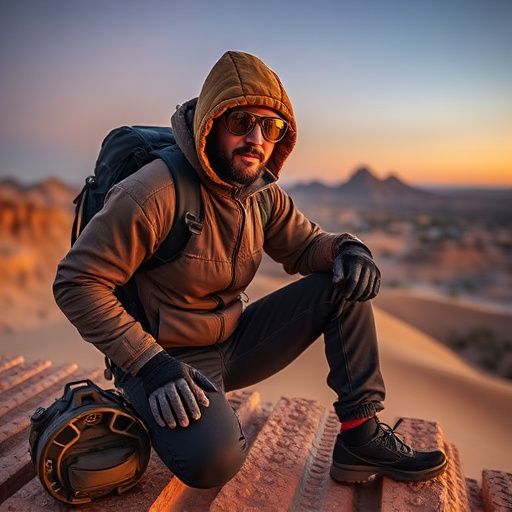
When venturing into the desert Southwest or high-elevation mountain regions in your RV, proper preparation is crucial, and one of the most important aspects is ensuring you have the right gear for these unique environments. The desert and mountains present distinct challenges, from extreme heat to unpredictable mountain grades, so packing thoughtfully will enhance your overall experience, whether you're boondocking or enjoying a stay at an RV park in southwest New Mexico.
For desert conditions, consider investing in a high-quality, solar-powered battery charger and a robust water purification system. The scorching heat can drain your RV's battery quickly, and maintaining a consistent water supply can be tricky. A well-insulated, temperature-controlled cooler is essential for keeping perishable items fresh. If you're planning on staying in one place for an extended period, boondocking, for instance, a portable air conditioner can make your RV more comfortable during the day.
At higher elevations, such as those found in the mountains near your first RV, the air gets thinner, which can affect your RV's performance. A good quality oxygen sensor can help optimize your engine's performance and improve fuel efficiency. Mountain grades can be steep, so make sure your RV's brakes are in top condition, and consider carrying a heavy-duty tow vehicle if you plan on exploring remote areas with your motorhome or fifth wheel. Remember, in both desert and high-elevation conditions, water conservation is key. A greywater recycling system can be a valuable asset for reducing water usage and minimizing your environmental impact.
Boondocking enthusiasts will appreciate the importance of a reliable off-grid power system, such as a generator or a solar panel setup, to ensure you have power for your appliances and entertainment systems. A well-stocked RV tool kit tailored for desert and mountain conditions is also a must-have. This kit should include tools for basic repairs, a pressure regulator for your water system, and a tire repair kit, given the potential for punctures on unpaved roads. When camping in RV parks in the region, take advantage of the full hookup facilities, but be prepared for varying voltage levels-a 30 amp vs. 50 amp converter might be necessary-to power your RV's systems efficiently.
Frequently Asked Questions About tips for RVing in the desert Southwest and at high elevation
What are the unique challenges of RVing in high elevation areas?
Driving at high elevation requires a lower air pressure due to lower oxygen levels. This can affect tire pressure and engine performance. Be sure to check tire pressure and consider using a higher-octane fuel. The colder temperatures can cause water and plumbing issues, so it's essential to insulate pipes and check for leaks.
What types of RV parks are available in the desert Southwest?
The desert Southwest offers a variety of RV parks, from large, modern facilities with full hookups to quaint, tree-shaded parks with pull-through sites. Some parks are located in the foothills of national forests, providing easy access to hiking trails and scenic drives. Manzanos RV Park in Silver City, New Mexico, is a quiet park nestled in the Gila National Forest's shadows.
How do I prepare my RV for desert conditions?
Before heading to the desert, ensure your RV is in good working order. Check and replace any worn-out batteries, fluids, and tires. Consider installing a portable water filter and carrying extra water, as water sources may be scarce. Protect your RV from sun damage by using window shades and applying a UV protective coating to the exterior.
What are some essential supplies for desert camping?
For desert camping, pack lightweight, quick-drying clothing, a wide-brimmed hat, and high SPF sunscreen. Also, include a first-aid kit, a reliable communication device (satellite phone or radio), and a map or GPS device. Don't forget water purification tablets or a filter, as well as non-perishable food and plenty of drinking water.
How can I stay safe while exploring high-elevation hiking trails?
At high elevations, the air is thinner, making it easier to become fatigued. Start hikes early in the day and take frequent breaks to acclimatize. Stay hydrated and carry high-energy snacks. Let someone know your hiking plans and carry a map or GPS device. Be aware of your surroundings, as some trails can be steep and rocky.
As you prepare for your desert Southwest adventure, the decision between boondocking and RV parks boils down to your comfort level, budget, and desired amenities. Boondocking offers unparalleled freedom to explore remote areas, away from crowds, and provides a closer connection to nature. However, it requires self-sufficiency in water, power, and waste management, as well as a thorough understanding of desert conditions and heat management. RV parks, on the other hand, offer full hookups, a welcoming community, and access to amenities like laundry facilities and restaurants. They're ideal for travelers seeking a more comfortable, managed experience.
Navigating high-elevation driving and camping presents unique challenges. Be prepared for steeper mountain grades, which may require slowing down and using lower gears. Pay close attention to RV tire safety, as higher elevations can affect tire pressure. Winter RVing in these regions necessitates understanding the risk of freezing pipes and taking steps to prevent them, such as using heat tapes and insulating water lines.
By combining insights from this article, you're now equipped to make informed choices. Whether you opt for boondocking or RV parks, prioritizing essential gear tailored to desert and mountain conditions will enhance your experience. Remember, proper planning and preparation are key to a safe, enjoyable, and stress-free journey in the desert Southwest and at high elevation.
When planning a desert Southwest or high-elevation RV adventure, choose between boondocking for complete self-sufficiency and isolation, or staying in RV parks for community, convenience, and amenities. Consider your comfort level, desired isolation, and resources. For high-elevation driving, be prepared for changing weather and tire pressure, and pack a pressure regulator. Ensure your RV is equipped for these environments, with gear tailored for desert and mountain conditions, to enjoy a safe and comfortable journey.