
Choosing and setting up your first RV is an exciting yet daunting endeavor. With countless options-from travel trailers to fifth wheels-and a swirl of new responsibilities, understanding RV weight limits, campsite setup, and maintenance is crucial. This guide is designed to help first-time RV owners navigate this journey with confidence. We'll explore the key factors when selecting your rig, demystify RV park logistics, and provide practical tips for safe and efficient setup. Whether you're planning boondocking adventures in remote deserts or enjoying monthly stays at a peaceful RV park, these insights will ensure a smooth transition into the RV lifestyle, keeping you on the road and out of trouble, while adhering to important RV weight limits.
- Finding the Right RV Size and Weight
- Understanding RV Weight Limits and Safety
- Setting Up Your RV at Your Destination
- Maintaining and Storing Your RV Properly
Finding the Right RV Size and Weight
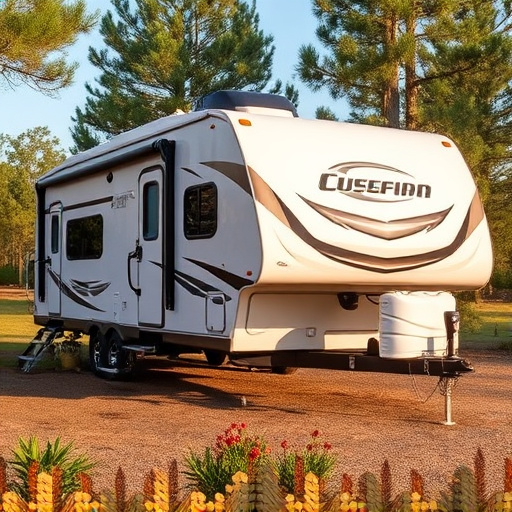
Choosing the right size and weight of your first RV is a crucial step in your RVing journey. This decision will impact your comfort, convenience, and safety, especially when navigating the unique landscapes and campgrounds of southwest New Mexico. In this region, you'll encounter varied terrain, from desert trails to high-altitude mountain passes, each presenting its own set of weight-related considerations.
Smaller RVs might be more suitable for navigating tight, winding roads and crowded campgrounds, while larger models offer more space and amenities. However, larger RVs can be more challenging to tow, especially if you're planning to tow a car behind your RV. Remember, every RV has a recommended towing capacity, and exceeding these limits can be dangerous and illegal. A full hookup RV park in southwest New Mexico, like Manzanos RV Park, can serve as a great testing ground for your chosen RV, allowing you to practice hookups, dump stations, and leveling in a controlled environment.
When deciding on an RV size, consider your lifestyle and travel plans. Do you plan to boondock frequently, or will you mostly stay in campgrounds with full hookups? If boondocking is in your plans, a smaller, lightweight RV might be preferable for easier maneuverability and better fuel efficiency. Conversely, if you intend to live in a campsite for extended periods, a larger RV with more storage and comfort features could be the better choice. Always keep an eye on RV weight limits, as they vary based on the type of RV, its age, and the towing vehicle. A travel trailer's weight capacity can range from 1,500 to 12,000 pounds, while a motorhome's can be significantly higher.
Think about the weight of your belongings. Packing light can reduce the overall weight of your RV, improving fuel efficiency and handling. Proper planning and consideration of these factors will ensure a smooth and enjoyable RVing experience. Remember, the right RV size and weight combination can make exploring southwest New Mexico's stunning natural beauty safer and more accessible.
Understanding RV Weight Limits and Safety
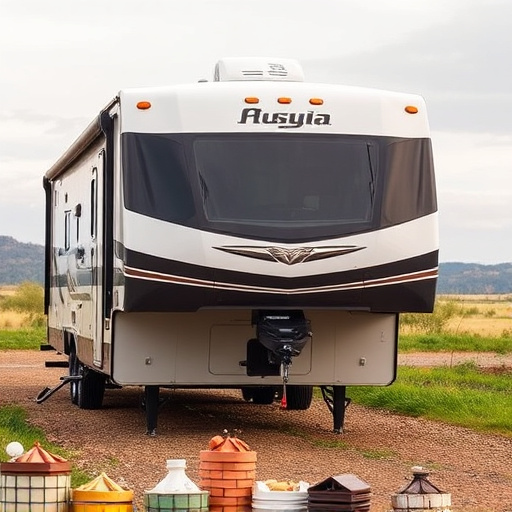
When preparing for your first RVing adventure, understanding RV weight limits is crucial for safety and enjoyment. Every RV, whether a motorhome or travel trailer, has a maximum weight capacity, which includes the vehicle's own weight plus the weight of passengers, cargo, and water. Exceeding this limit can lead to serious issues, from mechanical failures to accidents. In a pull-through site at a full hookup RV park in southwest New Mexico, like Manzanos RV Park, it's essential to check these weights to ensure a smooth setup.
A typical motorhome might have a gross vehicle weight rating (GVWR) of 25,000 to 35,000 pounds. This includes all components, from the chassis and engine to water tanks filled with fresh and waste water. Remember, the weight of your load should never surpass this rating. When setting up in a campsite, carefully distribute your weight, keeping heavy items close to the RV's center of gravity. This prevents uneven tire stress, which can lead to blowouts, especially when navigating tight corners or mountain grades in your RV.
RV weight limits are especially critical when towing a car behind your motorhome. The combined weight of the RV and the towed vehicle must stay within the GVWR. Always check your vehicle's towing capacity and ensure your towing setup is safe and legal. In the desert heat or at high elevation, where your RV park might be located, temperature extremes can affect tire pressure and, consequently, weight distribution. Regularly check tire pressure, including your RV's spare, to maintain optimal performance and safety.
Another important consideration is the difference between 30-amp and 50-amp hookups. 50-amp connections are designed to handle heavier loads, including larger RVs, while 30-amp systems are standard for most smaller motorhomes and travel trailers. Understanding these differences ensures you're equipped for the electrical demands of your RV and prevents any potential safety hazards related to overloading. Regular RV maintenance, including checking water pressure regulators and dumping black and grey water tanks, is also vital to prevent weight-related issues, especially when boondocking or planning longer stays at an RV park.
Setting Up Your RV at Your Destination

Setting up your RV at your destination is a crucial step in the RVing experience, especially for beginners. When you arrive at your campsite, whether it's a pull-through site in a Silver City RV park or a boondocking spot in the Southwest, remember that your RV has weight limits that must be considered. Overloading your RV can lead to safety hazards and damage, so it's essential to manage your weight distribution carefully.
First, park your RV as close to the campsite as possible. Unhook any attachments and use the RV's built-in levelers to ensure it's stable. Then, begin unloading. Start with essential items like bedding, cooking supplies, and personal belongings. Keep in mind that the heaviest items should be stored closest to the RV's center of gravity, typically in the bedroom or bathroom. This helps maintain balance and prevents the RV from toppling over. Placing heavy suitcases under the bed or in the closet helps stabilize the vehicle.
Next, focus on water management. Before filling your freshwater tank, check the RV's pressure regulator to ensure it's operating correctly. Proper water pressure is crucial for efficient use and to avoid damage. After filling, remember to dump your black and grey water tanks at designated stations. Regular maintenance, such as monitoring water levels and checking for leaks, is key to preventing winterizing issues. Many RV parks offer dump stations, making it easy to take care of these tasks.
Lastly, consider the overall campsite setup. Make sure you have enough space for your RV and any additional vehicles you might be towing. Familiarize yourself with the park's rules regarding RV weight limits and restrictions. A well-planned and organized setup ensures a stress-free stay, allowing you to fully enjoy the beauty of your Southwest destination.
Maintaining and Storing Your RV Properly
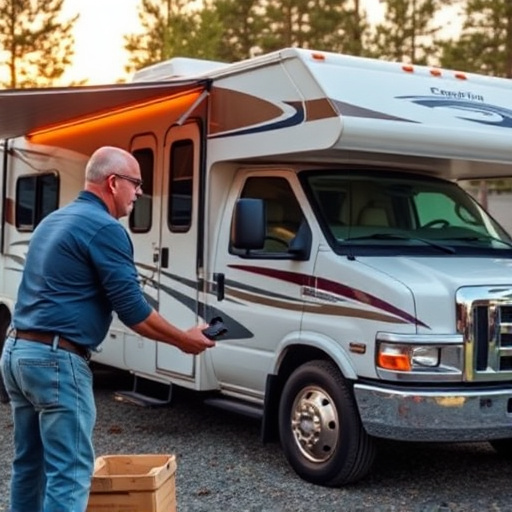
When you're ready to embark on your first RV adventure, proper maintenance and storage are key to ensuring a smooth experience. Before you hit the road, understand the specific needs of your RV, especially regarding weight limits. Every RV has a maximum gross vehicle weight (GVW), which includes the vehicle itself, passengers, and any cargo. Exceeding this limit can lead to safety issues and damage. A motorhome's GVW might range from 26,000 to 35,000 pounds, so plan your trips and loading accordingly.
At high elevation, like in and around Silver City, NM, weight distribution becomes even more critical. Different terrains, especially mountains, can put extra stress on your RV's frame and tires. Ensure your RV is properly balanced to avoid tire wear and potential breakdowns. When setting up at a pull-through site, carefully arrange your gear to maintain the recommended weight distribution. Remember, a quiet RV park near Silver City can offer the perfect spot to test and fine-tune your RV's setup.
Regular maintenance is essential, especially for essential systems like brakes, tires, and the propane system. Check tire pressure and wear, and ensure your RV's water pressure regulator functions correctly. Learn how to dump and clean black and grey water tanks, as this process varies depending on your RV's setup. Some models might require a specific tool for the tank's seal. Familiarize yourself with RV weight limits for different campsite types, as 'back-in' sites may have lower limits than 'pull-through' options.
Storing your RV properly between trips is another critical aspect. For long-term storage, choose a location with protection from the elements, such as a covered garage or a secure RV storage facility. Clean and maintain your RV before storage to prevent damage from dirt, debris, or pests. Remember, regular maintenance and proper storage practices will contribute to the longevity of your RV investment, ensuring many future adventures, whether you're exploring high-elevation trails or boondocking in the desert.
Frequently Asked Questions About a Beginner Guide to Choosing and Setting Up a First RV
What are the essential factors to consider when choosing an RV?
When selecting your first RV, think about your travel style, budget, and intended use. Consider the number of people you'll typically travel with and their specific needs. Size, amenities, and fuel efficiency vary widely. Research different types: class A, B, and C motorhomes, travel trailers, and fifth wheels. Check for safety ratings, warranty coverage, and maintenance records. An informed decision ensures a more enjoyable, stress-free RV experience.
How do I determine the best layout for my RV needs?
Layout choices depend on your priorities. Consider how much time you'll spend inside versus exploring. Full-time RVing requires ample living space, while weekend getaways may prioritize sleeping and kitchenette functionality. Think about storage needs for clothes, food, and gear. Access to a bathroom and shower is crucial. Some layouts offer separate areas for dining, living, and sleeping, enhancing comfort and privacy.
What are the initial setup steps after purchasing an RV?
Post-purchase, prioritize safety and comfort. Check tire pressure and condition, fluid levels (brake, steering, water), and battery health. Inspect the roof for leaks, and ensure all windows and doors operate smoothly. Familiarize yourself with the vehicle's controls and instruments. Test the appliances: water heater, stove, refrigerator, and air conditioning. Create a maintenance schedule, register your RV, and obtain necessary permits for camping and driving in different areas.
Where should I park and store my RV when not in use?
Consider a dedicated RV parking spot or a storage facility designed for these vehicles. Ensure the location is secure, level, and protected from extreme weather. Cover your RV to protect against dust, debris, and UV damage. Regularly check for pest infestations, mold, or water leaks. Inspect tires and brakes before each trip, and keep an eye on fluid levels to ensure optimal performance and longevity.
Can I modify my RV to enhance its functionality?
Modifications (or "modding") can personalize your RV and increase functionality. However, ensure any changes comply with local laws and don't compromise safety. Popular mods include adding solar panels for energy efficiency, installing a larger fuel tank, upgrading the electrical system, or customizing interior storage. Consult with RV experts or online communities for guidance, ensuring any modifications are correctly installed and maintained.
What are some common challenges new RV owners face, and how can I prepare for them?
New RV owners may encounter challenges like learning to drive a larger vehicle, mastering parking and maneuvering, or understanding the unique maintenance requirements. To prepare, practice driving in different conditions, invest in RV-specific tools, and learn basic repairs. Join RV owner forums for advice and support. Regular maintenance, including cleaning and thorough inspections, will prevent common issues. Be prepared for unexpected expenses and have a backup plan for repairs.
Choosing and setting up your first RV is an exciting endeavor, but it requires careful consideration of several key factors. By understanding RV weight limits and safety, you can ensure a smooth and enjoyable journey. When setting up at your destination, follow a structured RV setup checklist to make the process efficient. Regular maintenance and proper storage practices will prolong the life of your RV, protecting your investment. Remember, the right-sized RV tailored to your needs and capable of handling your intended journeys is crucial. With these insights, you're well-equipped to take on the road with confidence, leveraging the knowledge gained from this practical guide.
Choosing the right RV size for your southwestern NM adventure is crucial, balancing comfort, convenience, and safety. Consider your travel style: boondocking vs. Campgrounds, and weight limits. A smaller RV might be better for navigating tight spaces and saving fuel, while a larger one offers more space and amenities for extended stays. Always check RV weight, including passengers and cargo, against the GVWR. Maintain optimal weight distribution, especially in high-elevation or mountainous areas, to prevent tire issues. Regularly check tire pressure, water pressure regulators, and dump black/grey water tanks for safe and legal RVing. Proper storage between trips, in a covered area or secure facility, ensures your RV's longevity.