
Choosing and setting up your first RV is a thrilling yet daunting endeavor. With countless options and unfamiliar terminology, it's easy to feel overwhelmed. This guide is your roadmap, offering practical insights and expert advice to navigate the process with confidence. From understanding RV types to practicing campsite setup, we'll walk you through every step, ensuring a smooth and enjoyable RVing experience. By the end, you'll have a comprehensive RV setup checklist tailored to your needs, ready to transform any destination into a home away from home. Let's embark on this exciting journey together.
- Choosing Your First RV: Essential Factors
- Understanding RV Layout and Features
- Setting Up Your RV: Step-by-Step Guide
- Essential RV Maintenance and Safety Tips
Choosing Your First RV: Essential Factors

Choosing your first RV involves weighing various factors, from your budget to your lifestyle. A crucial step is deciding between a travel trailer, fifth wheel, or motorhome. Each option offers unique advantages and challenges. Travel trailers are towed behind a truck, ideal for budget-conscious travelers who enjoy more hands-on involvement. Fifth wheels mount to the bed of a pickup truck, providing a stable platform and more interior space, but require a specific vehicle and can be more complex to set up. Motorhomes, self-contained vehicles with living quarters, offer the most convenience but usually come with a higher price tag.
Before purchasing, conduct a thorough pre-ownership inspection and consider RV maintenance basics. Check critical systems like brakes, tires, and electrical components. A well-maintained RV will serve you better over time. Once you've made your selection, it's time to focus on RV setup. This includes hooking up water, sewer, and electrical systems, as well as ensuring proper leveling to avoid instability. At Manzanos RV Park, many campsites offer full hookups, simplifying the initial setup process. Remember, a clean and organized RV setup checklist is essential to make your experience stress-free and enjoyable.
When setting up, pay attention to water pressure regulators to prevent damage from excessive pressure. Regularly check and empty black and grey tanks to maintain hygiene and avoid clogs. For desert conditions, be prepared for high temperatures and consider heat management techniques. Remember, towing a car behind an RV or driving in mountain grades requires careful planning and proper tire maintenance to ensure safety. Winter RVing in colder climates necessitates measures to prevent freezing pipes and winterizing your RV. These practical considerations, incorporated into your RV setup checklist, will make your journey smoother and more enjoyable, no matter the destination.
Understanding RV Layout and Features

Understanding the layout and features of your RV is a crucial first step in your RVing journey, especially for a snowbird looking to spend the winters in an RV park. This knowledge will be invaluable as you prepare for your first trip and navigate your new home on wheels. A comprehensive RV setup checklist is essential to ensure you don't miss any critical details.
Your RV, whether a travel trailer, motorhome, or fifth wheel, is designed with various sections and amenities. The kitchen, for instance, often includes a sink, stove, and refrigerator. Consider the size and functionality of these spaces, especially if you plan to cook meals during your travels. Bedrooms and living areas can vary greatly in layout and size, so think about your needs and preferences. Does your RV have multiple beds? How much space do you need for your gear and clothing? Bathrooms are another key area, with options ranging from small wet baths to full-sized bathrooms with showers.
When setting up your RV, start by familiarizing yourself with the controls and systems. This includes understanding water and waste management, as you'll need to learn how to dump black and grey tanks responsibly. Check the RV water pressure regulator to ensure a steady water supply. Propane systems require attention too, with safety checks on storage and usage. Ensure you know how to access and manage your RV's electrical systems, especially if you plan to boondock or stay in RV parks without full hookups. Many RV parks offer 30 amp or 50 amp electrical connections, so understand your RV's electrical capacity.
As you prepare for your first RV trip, create a detailed RV setup checklist. This should include tasks like leveling the RV, securing loose items, and checking tire pressure. Remember, an RV park just 5 minutes from historic downtown Silver City can provide a perfect base for exploring the region, so choose your stops wisely. Winter RVing requires additional precautions, such as insulating pipes and managing water pressure in cold temperatures. Always be prepared for unexpected situations and have a reliable maintenance plan in place, just as you would for any other vehicle.
Setting Up Your RV: Step-by-Step Guide
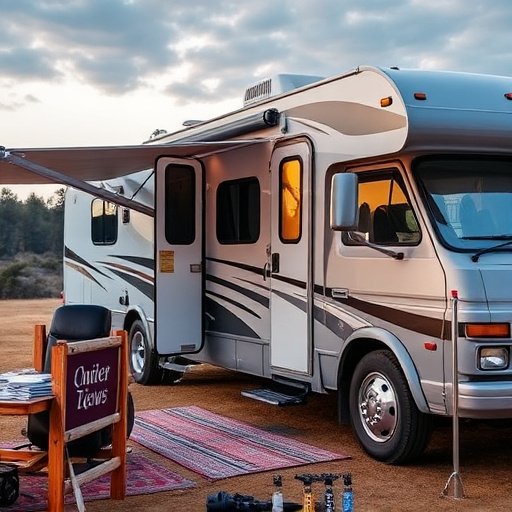
Setting up your RV for the first time can seem daunting, but with a comprehensive RV setup checklist, you can transform this task into a manageable and even enjoyable experience. Before driving away from the RV park or dealer, ensure you've checked every item on your list. This process will not only save you time and frustration but also ensure your safety and comfort during your travels.
Start by examining the exterior of your RV. Check all tires for proper inflation and signs of wear. Ensure the hitch and safety chains are secure and properly adjusted. Inspect the water hoses and electrical cords for any damage or fraying. Remember, a well-maintained RV is safer and more efficient. Once the exterior is in order, move inside. Check the functionality of all appliances, including the stove, refrigerator, and water heater. Test the air conditioning and heating systems to ensure they are operating correctly. Don't forget to check the battery, electrical panel, and any water filters.
Now, focus on the campsite. When backing into your spot, utilize your RV's backup camera and sensors for safety. Once parked, level your RV using the jack and stabilizers. This step is crucial, especially at campgrounds with unpaved sites. Connect your RV to the campsite's utilities: water, electrical, and sewer hookups. Ensure you're using the correct adapters and that the connections are secure. For full hookups, you'll need to attach the water hose, electrical cord, and sewer hose to their respective stations. Remember to check the water pressure regulator to avoid any surprises. If you're planning on staying at a campground like Manzanos RV Park, these steps will ensure a smooth setup process.
Finally, on your RV departure checklist, include a final inspection. Check that all windows and doors are sealed, all appliances are off, and the gas lines are secure. Test the emergency exits and ensure all lights are working. With these steps, you'll be well on your way to enjoying your first RVing experience, whether boondocking or staying at a park. Remember, proper preparation is key to a successful and stress-free journey.
Essential RV Maintenance and Safety Tips
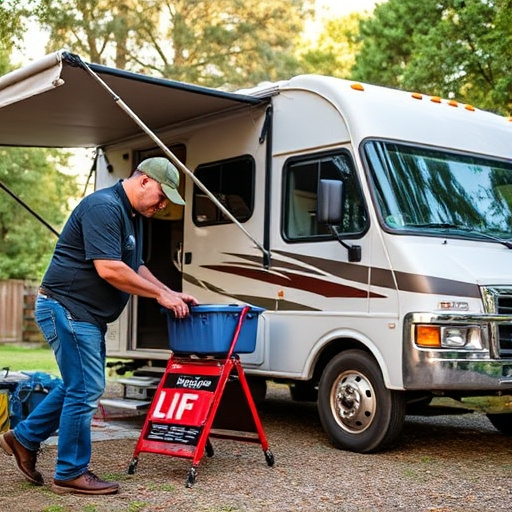
Choosing your first RV and setting it up correctly is crucial for a safe and enjoyable experience. Before you hit the road, compile an RV setup checklist that covers both the mechanical and logistical aspects. This includes ensuring proper hookups for water, electricity, and gas, confirming the functioning of lights, appliances, and plumbing, and checking tire pressure and tire condition. Don't forget to familiarize yourself with your RV's specific systems, consult the owner's manual, and consider a pre-trip inspection by a qualified technician.
Just like any vehicle, RVs require regular maintenance to operate safely and efficiently. A full hookup RV park in southwest New Mexico, like many others, often has specific guidelines for RV maintenance. Keep a schedule for checking and replacing filters, fluid levels, and tires. Pay special attention to the water system, including the pressure regulator, to prevent leaks and ensure proper water pressure. Regularly dump and clean your black and grey water tanks to avoid clogs and odor problems. Be aware of potential desert conditions and high-elevation driving, which can affect your RV's performance.
Safety is paramount when RVing. Always store your vehicle securely while exploring, using wheel chocks and ensuring it's parked on level ground. When backing into a campsite, utilize all your mirrors and consider a spotter. Be mindful of weight limits, especially when towing a car, and check your RV's capacity before adding extra gear. Practice RV propane safety by regularly checking levels and storing cylinders securely. Keep your RV park etiquette in mind, respecting other campers' space and peace, and following any park rules regarding noise and waste disposal.
Winter RVing in colder climates requires additional preparations, such as insulating water lines and checking for frozen pipes. Ensure you have adequate insurance coverage for your RV and consider the cost of monthly RV park stays if you plan extended trips. Remember, a well-maintained RV and a thoughtful RV setup checklist will make your travels smoother and more enjoyable.
Frequently Asked Questions About a Beginner Guide to Choosing and Setting Up a First RV
What is the best type of RV for a beginner? For newcomers, smaller, lighter vehicles like travel trailers or class B motorhomes are often the best choices. They're easier to tow and handle, and their smaller size means they're more manageable in campgrounds. Travel trailers offer more interior space than their weight allows for, while class B motorhomes, built on van chassis, provide a cozy, compact living space.
How do I decide on the right size? Consider your intended use and where you'll be camping. If you plan to stay in one place for a while, a smaller RV may be all you need. For frequent travel and larger groups, a larger model might be more suitable. Think about storage space, sleeping accommodations, and how much room you'll need for your adventures.
What features should I look for in a first RV? Prioritize essential amenities like a functional kitchen, comfortable sleeping arrangements, and adequate storage. Look for efficient systems and easy-to-use controls. Modern RVs offer diverse options, from slide-outs to entertainment systems, but focus on practicality at first, especially if you're new to RV living.
How do I finance the purchase of an RV? Financing options include loans from banks or credit unions, or through RV dealerships. Compare rates and terms from various lenders. Many dealerships offer financing programs tailored to RV buyers. Research and understand your budget, and consider the total cost of ownership, including insurance, maintenance, and campsite fees.
What is involved in setting up a new RV? Setting up an RV involves hooking up utilities like water, electric, and sewage. Learn the layout of your RV and the proper connection of hoses and cables. Practice in a safe, empty space before heading to a campground. Regular maintenance, including water tank and battery checks, is crucial to prevent issues.
How do I find and choose a campsite? Research campgrounds in advance, considering location, amenities, and availability. Apps and online reviews are helpful. Look for campsites that suit your RV's size and your preferred level of amenities. Reservations are often required, especially during peak seasons, so plan ahead.
What are the legal requirements for RV ownership and operation? Check local and state regulations regarding RV registration, licensing, and insurance. Understand weight restrictions, especially when towing, and ensure your vehicle is properly rated. Familiarize yourself with safety standards and vehicle maintenance requirements to ensure a safe and enjoyable RV experience.
As you prepare to embark on your first RV adventure, remember that choosing the right vehicle and setting it up correctly are key to a successful and enjoyable experience. By considering the essential factors when selecting your first RV, understanding its layout, and following a thorough RV setup checklist, you'll be well on your way to a stress-free journey. Implement these practical tips and maintenance routines to keep your RV in top condition, ensuring safety and comfort throughout your travels. This guide offers a solid foundation, empowering you to explore the vast open roads with confidence, whether you're boondocking in the desert or enjoying full hookups in an RV park.
Choosing your first RV involves weighing travel trailer, fifth-wheel, or motorhome options, then focusing on a thorough pre-ownership inspection and RV setup checklist. This checklist includes tasks like hooking up utilities, checking systems, and maintaining proper RV maintenance, especially in desert conditions and for winter RVing. Safety, from securing your RV to following park rules, is paramount. A well-maintained RV and a thoughtful RV setup checklist ensure a smoother, more enjoyable RVing experience.