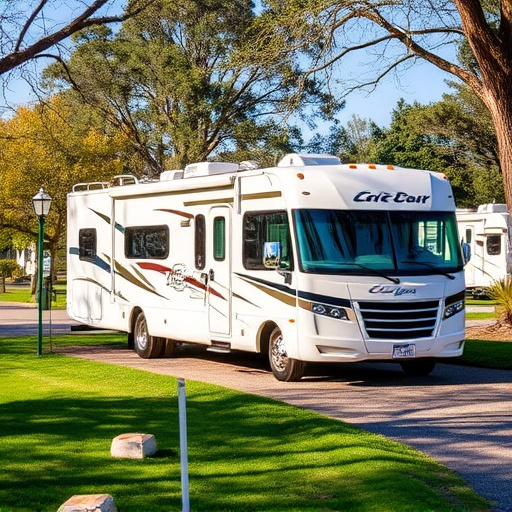
Choosing your first RV is an exciting yet daunting endeavor, especially when considering the wide range of options and new skills required. Many beginners struggle with deciding between a travel trailer and a motorhome, or understanding the nuances of full hookups and 30 amp versus 50 amp service.
Successfully towing a car behind your RV adds another layer of complexity, requiring proper setup and safety checks. This guide is designed to empower first-time RV owners by offering practical advice on everything from pre-ownership inspections and campsite setup to advanced driving tips like navigating mountain grades and boondocking in the desert. We'll cover common questions and provide checklists for a smooth RVing experience, ensuring you're ready to hit the road with confidence.
- Choosing the Right RV for Your Adventures
- Understanding Towing: Car Behind the RV
- Setting Up Your RV for Comfort and Safety
- Exploring Local RV Parks and Destinations
Choosing the Right RV for Your Adventures
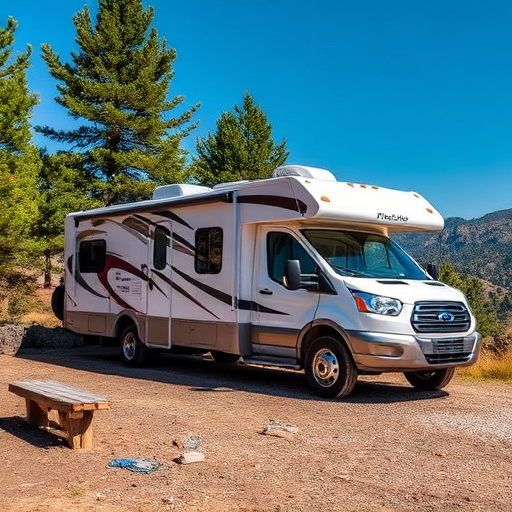
Choosing the right RV is a critical first step in your adventures. It's like selecting the perfect car for a cross-country drive-you want something that aligns with your needs, budget, and driving style. For first-time RV buyers, the options can seem overwhelming. Should you go with a travel trailer, a motorhome, or perhaps a fifth wheel? A travel trailer offers the advantage of being towed by your existing vehicle, a cost-effective option if you already have a suitable car. If you own a pickup truck, towing a well-equipped travel trailer can be a smooth and enjoyable experience. Motorhomes, on the other hand, provide more living space and independence, as they come with their own engine and often include amenities like kitchens and baths. Fifth wheels require a specialized truck with a gooseneck hitch, but offer a high level of stability and comfort for longer trips.
When considering your RV options, think about your typical campsite setup. Do you envision yourself enjoying full hookups, with running water and electric connections readily available? Or do you prefer the freedom of boondocking, camping off-grid without hookups? Full hookup campgrounds are popular for their convenience, while boondocking sites offer a more secluded and rustic experience. An RV park 5 minutes from historic downtown Silver City, for instance, provides easy access to town while still affording some privacy. Think about your towing capabilities. If you plan to tow a car behind your RV, ensure your vehicle meets the weight limits and is equipped to handle the additional load. Check your vehicle's owner manual for towing specifications, and consult a professional if you're unsure.
The decision will also hinge on your budget and desired level of comfort. RVs vary widely in price, from more affordable used models to luxurious, high-end units. Plan your budget, considering not just the purchase price but also ongoing expenses like maintenance, insurance, and fuel. Remember, even a smaller RV requires specific care, such as regular water tank dumping and tire pressure checks. Winter RVing requires additional considerations like insulating pipes to prevent freezing. Researching different RV types and their specific features will help you make a well-informed decision that aligns with your lifestyle and travel plans.
Understanding Towing: Car Behind the RV
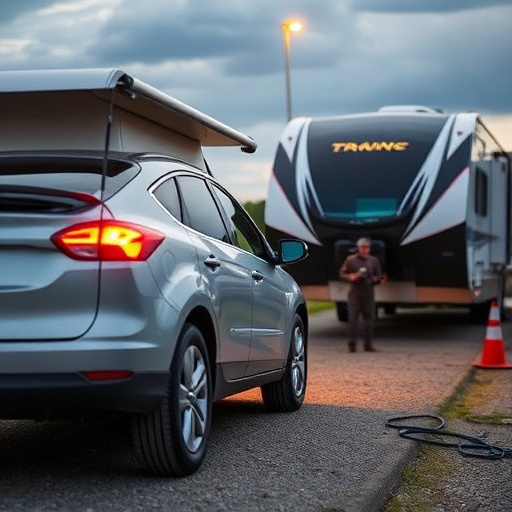
When preparing to tow a car behind your RV, especially if you're new to RVing, it's crucial to understand the mechanics and logistics involved. This is a key RV travel tip that can make or break your first experience. The process differs significantly from driving your RV alone, and you'll need to consider factors like weight limits, towing safety, and the best type of connection for your vehicle.
If you plan to use a pull-through site, which is a popular option for many RV parks, you'll want to ensure your vehicle can handle the task. Many modern RVs come with ball hitches for towing, but older models or smaller RVs might require a trailer hitch installation. This is a task best left to a professional to ensure it's done safely and correctly. Once you have the right setup, you'll need to consider the weight of your towed vehicle. RVs have weight limits, and exceeding these can cause damage and safety hazards. In your first RV, especially, take time to calculate the total weight of what you're towing to ensure it falls within the RV's capacity.
Another critical aspect is the connection between your RV and the car. You'll need to use a hitch and ensure it's secure and properly adjusted. Some RVs come with 30 amp or 50 amp connections for power, which is essential for running lights, electronics, and even heating or cooling while towing. At a full hookup RV park in southwest New Mexico like Manzanos RV Park, you can practice hooking up and unhooking to get comfortable with the process. Remember, towing a car behind an RV in high-altitude or desert conditions might require additional preparations, such as ensuring your tires are properly inflated and your fluids topped up. Winter RVing, especially in colder climates, calls for extra precautions to prevent freezing pipes and maintain water pressure. Always plan ahead and be ready to adapt to different conditions, whether you're a snowbird or a full-time RVer.
Setting Up Your RV for Comfort and Safety
When setting up your new RV for the first time, comfort and safety should be your top priorities. Starting with a thorough understanding of your RV's features is crucial. If you've chosen a fifth wheel setup, ensure you know how to correctly attach and level the trailer to your towing vehicle. This involves understanding weight distribution and practicing backing into a campsite until it becomes second nature.
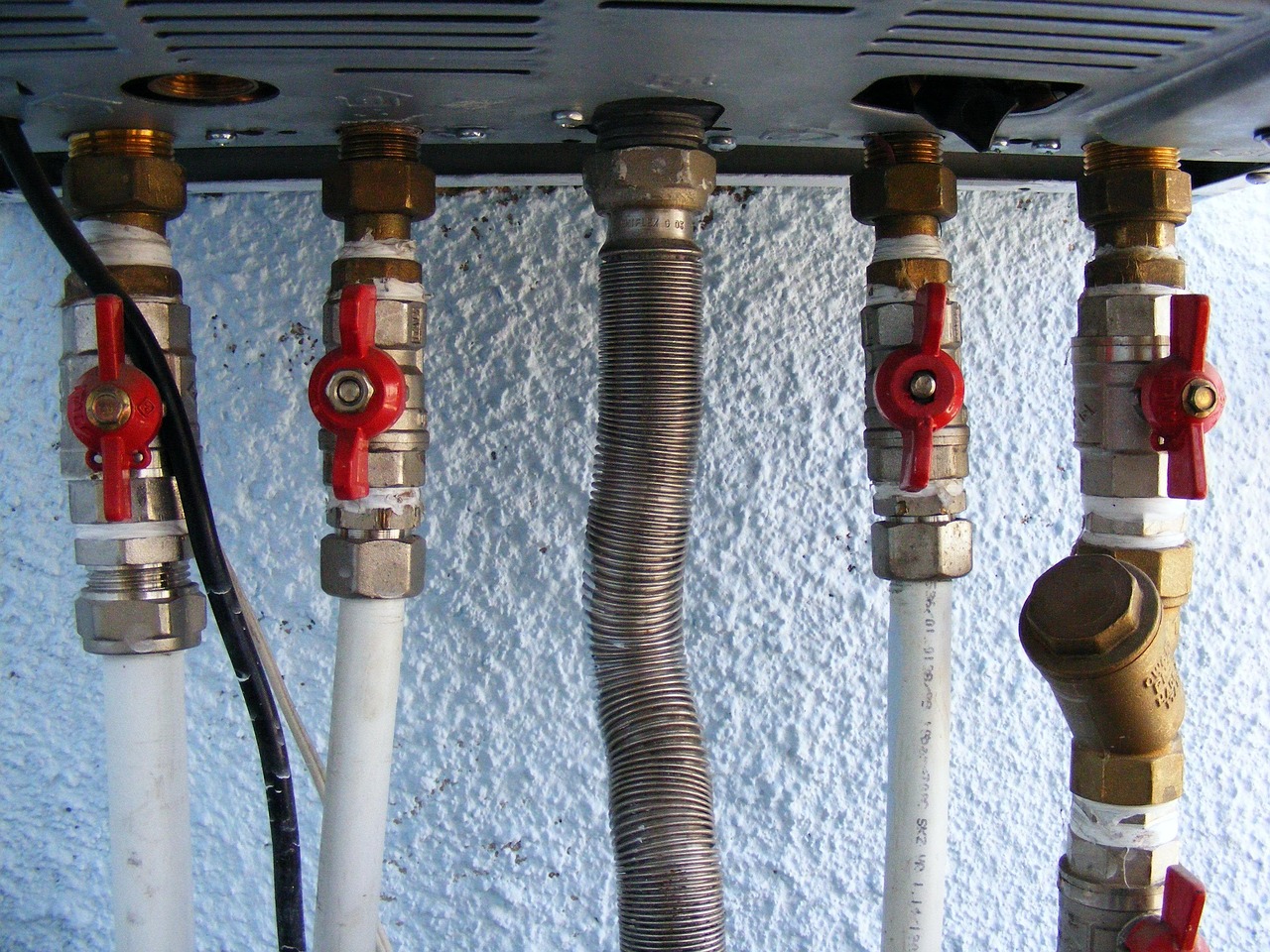
Next, focus on establishing full hookups for essential services. At Manzanos RV Park, you'll find excellent facilities for connecting to electricity, water, and sewage. Configure your RV's water pressure regulator to match the local pressure, usually around 40-60 psi, to prevent damage or leaks. Regularly dump your black and grey tanks to maintain hygiene and avoid clogs. Remember, proper waste management is a key aspect of responsible RVing, especially in high-elevation areas where water pressure can vary.
Towing a car behind your RV presents both advantages and challenges. It offers increased versatility for hauling but requires careful consideration of weight limits and mountain grades. Always ensure your tow vehicle is properly rated and use RV-specific tire safety guidelines. Check tire pressure regularly, as altitude can affect inflation levels. Practice towing in different conditions, including desert heat, to get accustomed to the dynamics of your setup. Winter RVing in colder climates necessitates special preparation to prevent freezing pipes, especially when boondocking.
Exploring Local RV Parks and Destinations
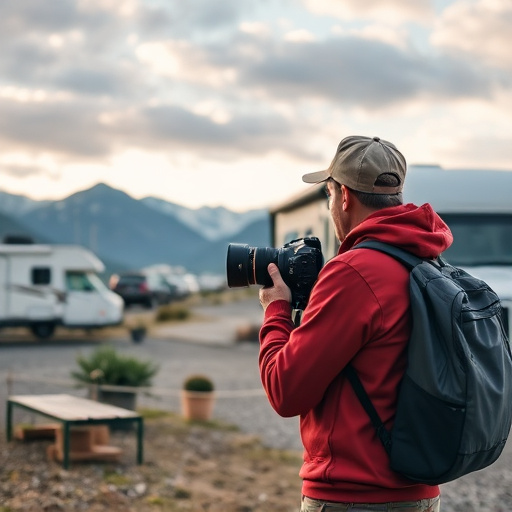
Choosing your first RV involves more than just picking out a shiny new model. It's crucial to explore local destinations and RV parks to understand what kind of RV living suits your needs and preferences. In southern Arizona, you have a variety of options, from scenic tree-shaded RV parks in Grant County to bustling parks near popular tourist attractions. This exploration phase is key to making sure your RV purchase aligns with your intended use, whether you're planning to tow a car behind your motorhome or setting up for extended stays in a fifth wheel.
When considering RV parks, look for amenities that cater to your needs. Do you require full hookups, or will you be happy with just water and electricity? Some parks offer pull-through sites for easy drive-in access, while others are back-in sites, requiring a bit more maneuvering. A park with a dump station for black and grey water tanks, a dedicated RV water pressure regulator, and on-site propane services can make your life much easier. If you're planning on boondocking or extended stays, consider parks with monthly rental options, where you can enjoy the benefits of a home away from home.
Arizona's diverse landscapes provide a unique opportunity for RVing. If you're planning on towing a car, keep in mind the terrain and grades, especially when venturing into high-elevation areas or navigating desert heat. Winter RVing also requires special preparation, as freezing pipes can be a real concern. Luckily, many parks have tips and resources to help you weather these challenges. A local RV park in Tucson might offer advice on how to prepare your RV for cold nights or recommend scenic routes to avoid the hottest parts of the day. Remember, your first RVing experience should be enjoyable, so choose a park that not only meets your technical needs but also offers a welcoming atmosphere, like a tree-shaded park in Grant County, where you can relax and connect with fellow RV enthusiasts.
Frequently Asked Questions About a Beginner Guide to Choosing and Setting Up a First RV
What are the essential factors to consider when buying a first RV?
When purchasing your first RV, focus on your travel needs, budget, and preferred style. Key factors include the RV's size, weight, fuel efficiency, and living space. Consider the number of people you'll accommodate, your intended travel routes, and whether you want a towable or a motorhome. Prioritize features that align with your lifestyle, like kitchen amenities, bathroom facilities, and storage space. Research different RV types, brands, and models to make an informed decision within your budget.
How do I determine the best type of RV for my needs?
Consider your travel habits and desired experiences. If you plan to camp off-grid, a smaller, lightweight RV with high fuel efficiency might be ideal. For family vacations, a larger motorhome offering more living space and amenities could be preferable. Towable RVs like travel trailers or fifth wheels are suitable for those who already have a vehicle to tow them. Assess your priorities-convenience, size, or specific features-to narrow down the best type for your needs.
What is the process of setting up a new RV for the first time?
Setting up an RV involves several steps. First, ensure a suitable location with enough space and level ground. Unpack and organize your belongings, then connect utilities: water, electricity, and gas. Familiarize yourself with the RV's controls, including water tanks, gas lines, and electrical systems. Test all appliances and lights, and inspect for leaks. Consider consulting a professional or experienced RV owner for guidance during the initial setup process.
What safety measures should I take when traveling with an RV?
Prioritize safety by conducting pre-trip inspections to ensure all systems are functioning correctly. Always follow RV weight restrictions and load distribution guidelines. Wear seatbelts while driving and driving-related tasks, and store hazardous materials securely. Keep a well-stocked emergency kit inside the RV, including first-aid supplies, flashlights, and a fire extinguisher. Stay up-to-date with maintenance and regular service checks to ensure a safe and enjoyable RV experience.
How do I maintain an RV to keep it in good condition?
Regular cleaning and maintenance are crucial for preserving your RV's value. Develop a cleaning routine for interior and exterior spaces, focusing on high-touch areas. Implement a storage strategy to protect furniture and appliances when not in use. Regularly check water and waste tank levels, and empty them as needed. Inspect tires, brakes, and electrical connections for any damage or wear. Keep up with manufacturer recommendations for service and repairs to maintain the RV's optimal condition.
Choosing and setting up your first RV is an exciting endeavor that opens up a world of adventure. By understanding different RV types, considering budgeting, and learning essential maintenance skills, you set the foundation for a successful journey. Towing a car behind your RV offers flexibility, enabling you to explore more diverse destinations. When setting up, prioritize comfort and safety by mastering RV park checks, understanding hookups, and ensuring proper tire pressure.
Exploring RV parks and local attractions allows you to connect with fellow RV enthusiasts and discover lesser-known options. Whether boondocking in the desert or enjoying full hookups, proper planning and knowledge are key. Winterizing your RV for freezing pipes and managing water pressure regulators ensure year-round enjoyment. Don't forget about leveling the RV, setting up a departure checklist, and maintaining a routine maintenance schedule.
As you embark on your RVing adventures, remember that the freedom of the open road is enhanced by a well-prepared vehicle and a solid understanding of RVing logistics. Keep learning, stay safe, and enjoy the journey!
In southern Arizona, choosing your first RV involves understanding your needs, budget, and towing capabilities. Consider your living style: full hookups or off-grid? Plan for towing a car if needed, ensuring your vehicle meets weight limits and is equipped properly. Research RV parks for amenities like full hookups, dump stations, and propane services. Explore diverse landscapes, considering terrain and weather conditions, especially for winter RVing. Choose a park that suits your preferences and offers a welcoming community for a memorable first RV experience.