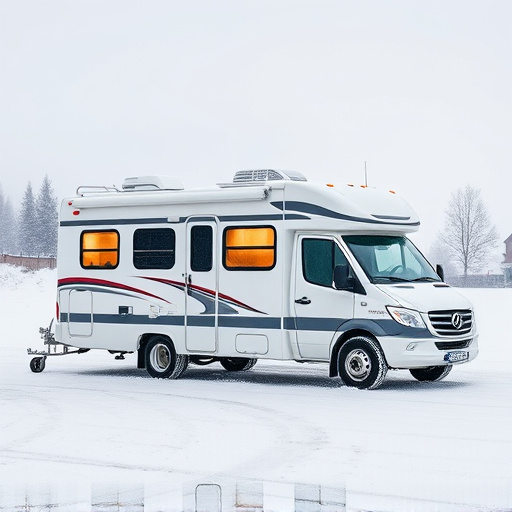
Preparing your RV for winter is vital for RVing beginners to protect their investment and ensure safe, enjoyable seasons. Key actions include: thorough inspection, repairing leaks, insulating tank and battery compartments, draining water lines and using RV-specific antifreeze, maintaining tire condition, strategic heat source placement, regular maintenance checks, addressing water management, proper ventilation, exterior protection with tarpaulin, battery care, and conducting inspections for early issue detection. These measures safeguard your RV from cold damage, corrosion, and structural deterioration, ensuring a smoother winter RVing experience.
For RVing beginners and seasoned adventurers alike, preparing your recreational vehicle for winter is a crucial step to ensure its longevity and your comfort during colder months. The harsh cold can cause significant damage if not addressed properly, leading to costly repairs or even rendering your RV unusable. This comprehensive guide aims to equip you with the knowledge to protect your investment. We’ll walk you through the essential steps of winterizing your RV, covering everything from water system de-icing to insulation checks and engine tune-ups, ensuring a seamless transition into the wintry season.
- Preparing Your RV for Winter: A Beginner's Guide
- Protecting Sensitive Components from Cold Damage
- Winterizing Tips for Long-Term RV Storage
Preparing Your RV for Winter: A Beginner's Guide
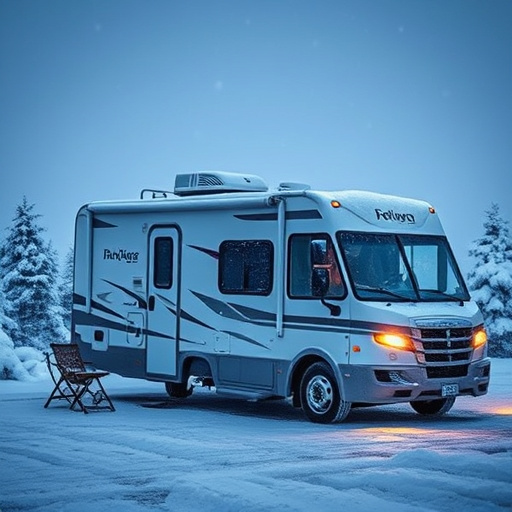
For RVing for Beginners, preparing your rig for winter can seem daunting, but it’s a crucial step to safeguard your investment and ensure enjoyable RVing seasons ahead. The primary goal is to protect the RV from cold-weather damage, including freezing pipes, corrosion, and structural deterioration. A well-prepared RV can withstand subzero temperatures, offering peace of mind during winter adventures.
A comprehensive beginner’s guide should start with an inspection. Walk around your RV and identify potential problem areas. Look for any signs of leaks or water damage, especially in the ceiling, windows, and doors. Repair or replace damaged components to prevent ice build-up and water intrusion. Insulate vulnerable areas like the tank and battery compartments to combat freezing temperatures. Many beginners underestimate the importance of proper insulation, which can lead to costly repairs later.
Next, focus on fluid management. Drain all water lines, toilet tanks, and sink traps to avoid freezing. Use RV-specific antifreeze for water systems and engine cooling to prevent pipes from bursting due to extreme cold. Some beginners make the mistake of skipping this step, but it’s a simple yet effective way to protect your RV’s plumbing. Additionally, ensure your tires are in good condition and consider using winter tires or adding wheel chocks for safe towing during icy conditions. A well-prepared RV is not just protected from damage; it also ensures a smoother and safer winter RVing experience.
Protecting Sensitive Components from Cold Damage

For RV owners, especially those new to RVing, protecting their vehicles from the harsh winter elements is paramount. While many focus on external precautions like insulating windows and blocking vents, the interior components of an RV require equal attention. Sensitive electronics, water lines, and batteries are particularly vulnerable to cold weather damage. Extreme temperatures can cause electrical failures, pipes to freeze and burst, and battery drain due to increased energy demand for heating. For instance, according to a study by the RV Industry Association, winter weather is a leading cause of RV damage, with 40% of owners experiencing issues like frozen water lines and malfunctioning electrical systems during cold seasons.
To safeguard these critical elements, RVing for beginners should implement targeted strategies. Start by utilizing heat sources strategically. Portable heaters designed specifically for RVs can be placed in areas prone to rapid cooling, such as basements or dark corners. Ensure adequate ventilation when using heaters to prevent excessive moisture buildup, which can lead to mold and mildew damage. Additionally, insulating blankets or covers for batteries and electrical panels can provide an extra layer of protection against sudden temperature drops.
Regular maintenance checks are essential. RV owners should inspect water lines for any signs of damage or leaks and insulate exposed areas with high-quality tubing insulation. Checking battery connections and applying corrosion-preventing products will maintain optimal performance during cold weather. For instance, lead-acid batteries in particular need extra care; a 2018 survey by the RV Battery Council revealed that proper winter maintenance can extend battery life by up to 50%. Lastly, consider installing temperature sensors and alarms to monitor internal conditions, providing an early warning system for potential issues before they become costly repairs.
Winterizing Tips for Long-Term RV Storage
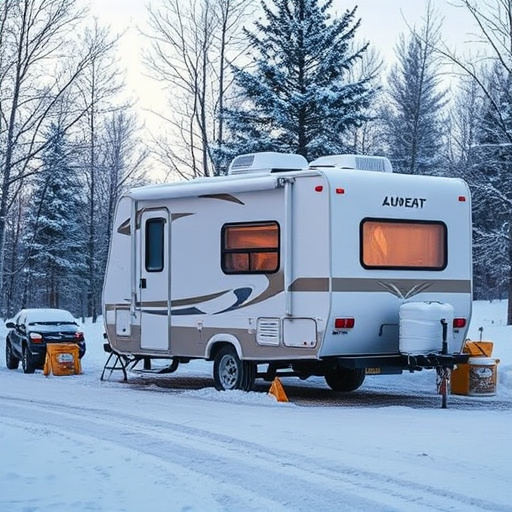
Winterizing your RV for long-term storage is a crucial step to ensure its longevity and protect against potential cold weather damage, especially for RVing beginners who may not know where to start. Before putting away your rig for the season, consider these expert tips to safeguard your investment. One of the most critical aspects is addressing water management; freezing temperatures can cause significant harm if left unattended. Begin by disconnecting all water hoses and ensuring the freshwater tank is empty. You can use heating pads or a small space heater to prevent pipes from freezing in colder climates, providing an additional layer of protection for RV owners storing their vehicles during winter months.
Additionally, maintaining proper ventilation is essential to prevent moisture buildup. Ensure all vents are open, allowing air circulation throughout the RV. This simple step can help avoid issues like mold and mildew growth, common problems that arise from prolonged storage. Another crucial tip involves protecting your RV’s exterior. Covering the vehicle with a high-quality, fit-to-size tarpaulin or winterizing blanket will shield it from snow, ice, and UV rays. This simple measure can significantly slow down the aging process of your RV, ensuring its excellent condition when you hit the road again.
Battery care is also paramount during long-term storage. Deep cycle batteries used in RVs have a limited lifespan, so maintaining them properly can extend their life. Consider using a battery tender or maintainer to keep the battery charged, and don’t forget to insulate negative terminals from moisture. Lastly, for RVing beginners, regular inspections are vital. Periodically checking your RV’s condition ensures any potential issues are addressed early on. This practice not only saves you from costly repairs but also ensures your vehicle is safe and ready for future adventures.
Winterizing your RV is a crucial step for RVing beginners and seasoned travelers alike, ensuring your vehicle’s longevity and performance during colder months. By following the comprehensive guide provided, you now possess the knowledge to prepare your RV effectively, protect sensitive components from cold-related damage, and store it safely for extended periods. These essential practices not only safeguard your investment but also enable you to enjoy uninterrupted RVing adventures year-round. Embrace these key insights and take proactive measures to make the most of your RVing experiences, no matter the season.