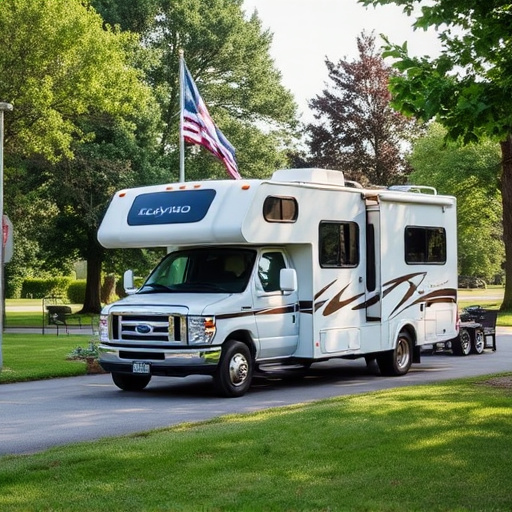
Choosing your first RV is an exciting yet daunting task, especially when navigating the differences between travel trailers and motorhomes. Whether you're considering a spacious motorhome or a lightweight travel trailer, understanding the basics is crucial before hitting the road. This article provides plain-language answers to common new RVer questions, covering everything from budgeting and maintenance to driving tips and park etiquette. We'll explore the ins and outs of RVing, ensuring you're prepared for your first adventure in "your first rv." By the end, you'll have the confidence to hit the open road, whether it's boondocking in the desert or enjoying full hookups at a quiet park in the foothills of the Gila National Forest.
- Choosing Your First RV: Trailer vs. Motorhome
- Understanding Hooks Up: Electricity & Water
- Navigating Campsites: Rules & Amenities
- Maintenance Basics: Keeping Your RV Running
Choosing Your First RV: Trailer vs. Motorhome
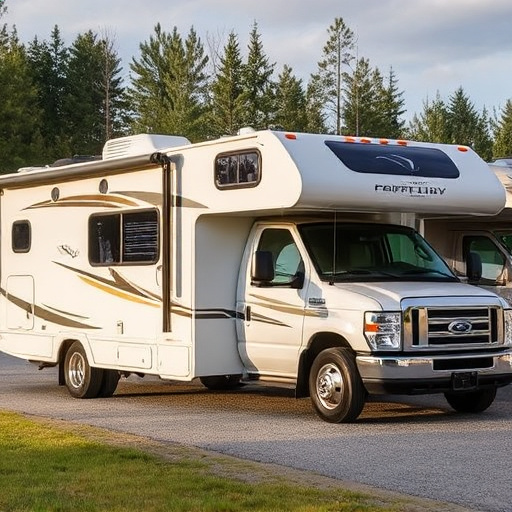
Choosing your first RV is an exciting yet daunting decision, especially when comparing two popular options: travel trailers and motorhomes. This decision is further complicated when considering the many types of RV parks, from bustling campgrounds to tranquil tree-shaded spots like Manzanos RV Park in your first RV. Snowbirds often seek out full hookup RV parks in southwest New Mexico for their convenience during seasonal travels.
Travel trailers offer a more traditional camping experience, being towed by a vehicle. They come in various sizes, from compact pop-ups to spacious fifth wheels. The main advantage lies in their versatility; you can choose a size that suits your needs and budget, and easily tow it behind your car. When backing into a campsite, practice makes perfect, and many trailers have features like stabilizers for easier maneuvering. However, they may not be suitable for those new to RVing, as towing requires additional skill and attention, especially when navigating tight spots or mountain grades in your first RV.
On the other hand, motorhomes provide a more self-contained experience. They come in different types, from class A to class C, each with unique features. For a full-time RV lifestyle, a motorhome's built-in amenities, like a kitchen, bathroom, and sleeping area, make it a popular choice. When backing into a campsite in a motorhome, it's crucial to understand the vehicle's dimensions and use the proper tools, such as a spotter, to avoid damage. Motorhomes also offer the convenience of not having to set up and take down camp, as most sites are designed for pull-through access. However, larger motorhomes can be challenging to maneuver and may not be as easy to tow, with some requiring specialized hauling vehicles.
When deciding between a travel trailer and a motorhome, consider your intended use, budget, and skill level. If you're planning on staying in one place for an extended period, like monthly RV park stays, a motorhome's amenities might be more appealing. However, if you're a new RVer looking for a more affordable and customizable option, a travel trailer could be the way to go. Remember, many RV parks, including those in your first RV, offer pull-through sites for easy access, and some even have full hookups to make your stay more comfortable.
Understanding Hooks Up: Electricity & Water
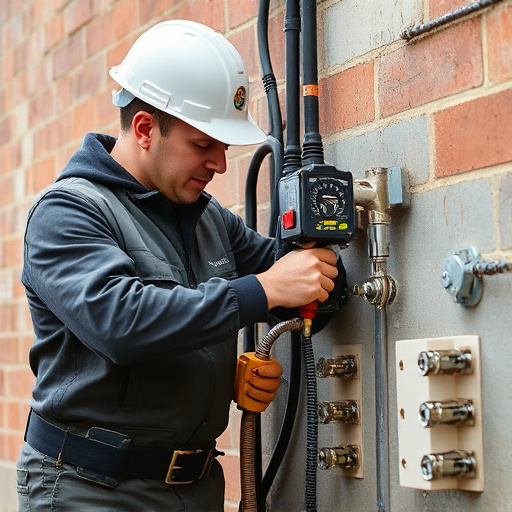
For RV travel, understanding the basics of electricity and water systems is crucial, regardless if you're in a travel trailer or a motorhome. In a full hookup RV park in southwest New Mexico, like Manzanos RV Park, you'll find these systems are designed to make your stay convenient and comfortable. However, as you transition from camping to full-time RVing, especially in a motorhome, understanding the differences in how these systems function becomes important, particularly when navigating high elevation or challenging terrain.
30 Amp vs. 50 Amp Hooks: Travel trailers typically require a 30 amp hookup, while larger motorhomes often need a 50 amp connection. This distinction is key for powering appliances and heating systems. In your RV, a 30 amp hookup is standard for most smaller trailers, providing adequate power for basic needs. However, if you're towing a car behind your motorhome or using high-wattage appliances, a 50 amp hookup might be necessary. Remember, the higher the amp rating, the more power your RV can draw, so plan accordingly.
Water Systems and Pressure Regulators: Water is another vital resource. RVs have both freshwater and gray/black water tanks. A water pressure regulator ensures a consistent flow of water to your faucets and shower, preventing damage from high water pressure. Understanding how to dump these tanks, both at campgrounds and during longer-term stays, is essential. In winter RVing, especially in colder climates, protecting your pipes from freezing is paramount. Proper insulation and understanding the impact of temperature changes on water lines are crucial RV travel tips for areas like the high elevation regions around your first RV.
RV Park Amenities and Monthly Stays: Many RV parks, including Manzanos, offer full hookup sites. These parks often have dedicated staff who can assist with any questions about hookup procedures. Some parks also allow extended stays, sometimes at a discounted rate. This is particularly appealing for those exploring RVing for the first time, offering the opportunity to learn the ins and outs of RV life before committing to longer trips or boondocking in remote locations.
Navigating Campsites: Rules & Amenities
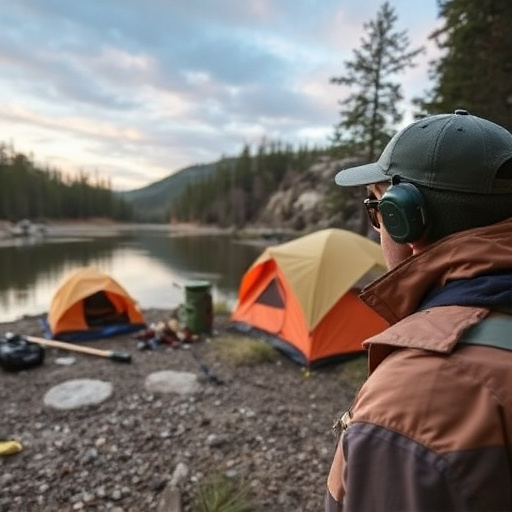
Navigating campsites, whether in a travel trailer or motorhome, requires understanding the rules and amenities available. Different campgrounds offer various facilities, so it's crucial to research ahead of time. Some parks cater specifically to fifth wheels, providing extra space and unique hookups, while others specialize in pull-through sites for easier entry and exit.
At Manzanos RV Park, our diverse range of sites caters to all types of RVs. We offer both full hookup sites with 30 and 50 amp electrical options, ensuring you have the power you need, and basic sites for those seeking a more rustic experience. Our park also provides amenities like showers, laundry facilities, and a dump station for convenient waste management. For safety and comfort, we encourage RV owners to familiarize themselves with the park's rules, which often include guidelines for tire pressure, propane levels, and proper waste disposal techniques.
When setting up your campsite, remember the importance of leveling your RV to ensure stability and prevent damage. Most travel trailers and motorhomes require some leveling adjustments, and many parks offer leveling guides or even assistance. After setting up, create a departure checklist that includes tasks like unplugging appliances, turning off water supplies, and securing personal belongings. This routine will make your exit smoother and help prevent any potential issues.
Lastly, consider the unique challenges of high-altitude driving and desert conditions if you're new to RVing. High elevations may affect tire pressure and engine performance, so monitor these closely. Desert heat can also be intense, necessitating proper heat management and water conservation techniques. By understanding these aspects and leveraging the amenities available at campgrounds like Manzanos RV Park, you'll enhance your overall RVing experience.
Maintenance Basics: Keeping Your RV Running
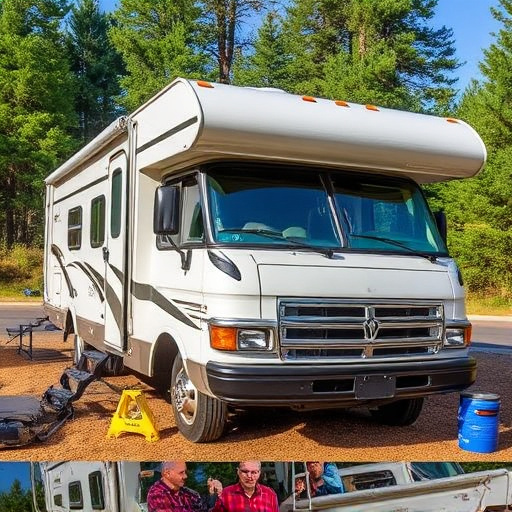
Choosing a rig and hitting the road is an exhilarating adventure, but it comes with responsibilities. Whether you're opting for a travel trailer or a motorhome, or even a fifth wheel, maintenance is key to keeping your RV in top shape. Regular upkeep prevents costly repairs and ensures a stress-free journey.
A full hookup RV park in southwest New Mexico offers the convenience of access to fresh water, sewage disposal, and electricity. These are essential services that require regular checks. Inspect your water pressure regulator, ensure your dump station connections are secure, and monitor your propane levels to prevent leaks. A travel trailer owner will need to focus on tire pressure and wheel bearing lubrication, while a motorhome owner will also need to service the generator and check the electrical system. Regular maintenance guides and online forums are invaluable resources for troubleshooting and tips specific to your RV type.
When issues arise, understanding basic RV mechanics is crucial. Simple repairs, like changing a flat tire or fixing a leaky faucet, can be tackled yourself. However, more complex problems, such as engine issues or faulty electrical systems, often require professional attention. Keep a well-stocked RV tool kit and learn the basics of RV maintenance. Remember, a fifth wheel may have additional setup requirements, so be prepared for unique challenges.
Winterizing your RV is another crucial aspect of maintenance. In colder climates, take precautions to prevent freezing pipes and damage. Empty water tanks, insulate vulnerable areas, and consider a winterizing service to ensure your RV is ready for the next season. Regular cleaning and decluttering also fall under maintenance. This not only improves overall hygiene but also allows for better ventilation and reduces the risk of mold and mildew, especially in humid environments.
Frequently Asked Questions About Plain Language Answers to Common New RVer Questions
What is Recreational Vehicle (RV) living?
Recreational Vehicle (RV) living is a lifestyle choice where individuals or families reside in and travel in a motorhome, trailer, or fifth wheel. It combines the freedom of camping with the comfort of home, allowing people to explore different locations while having access to essential amenities like sleeping quarters, a kitchen, and sometimes even bathrooms and entertainment systems. RV living is popular among retirees, digital nomads, and families seeking outdoor adventures.
How do I choose the right RV for my needs?
When selecting an RV, consider your budget, the size of your household, and the type of travel you plan. For solo travelers, a smaller class B or C motorhome might be suitable, offering ease of driving and maneuverability. Families may prefer larger models like class A motorhomes or fifth wheels, providing more space and amenities. Look for features that align with your priorities, such as storage capacity, kitchen setup, and bed configurations. Test driving different RVs and seeking advice from experienced RVers can help you make an informed decision.
What are some essential tools and supplies for RV living?
Living in an RV requires a different set of tools and supplies than traditional homes. Some essential items include a portable power source like a generator or solar panels, a water filtration system for clean drinking water, a portable toilet and holding tank for waste management, and tools for basic repairs and maintenance. Don't forget kitchen essentials, such as a good knife set, multi-cooker, and portable storage containers. A well-prepared RV ensures a smoother and more enjoyable living experience.
How do I find and connect to campgrounds and RV parks?
Campgrounds and RV parks are located across various regions, and there are numerous online resources to help you find them. Websites and apps like Campendium, The Dyrt, and AllStays offer detailed information on park amenities, availability, and pricing. You can also join RV communities and forums to get recommendations and connect with fellow RVers. Many parks offer reservations, especially during peak seasons, so it's advisable to plan ahead and book your spots in advance.
What are the legal considerations for RV living?
Living in an RV involves understanding various legal aspects. Ensure your vehicle is properly registered and insured for recreational use. Familiarize yourself with local and state laws regarding RV parking, waste disposal, and hookup facilities. Some areas may have restrictions on where and how long you can park your RV. It's crucial to respect private property and local regulations to avoid any legal issues and maintain a harmonious relationship with the community.
Choosing your first RV is an exciting yet daunting endeavor, but with a solid understanding of key considerations, you're well on your way to a successful and enjoyable RVing experience. Whether you opt for a travel trailer vs. A motorhome depends on your preferences, budget, and intended use. Understanding the basics of electricity and water hookups, navigating campsite rules and amenities, and maintaining your RV are essential components of RVing. By mastering these areas, you'll be prepared for any adventure, whether boondocking in the desert or enjoying full hookups in an RV park. Practical next steps include creating an RV setup and departure checklist, budgeting for travel, and learning basic RV maintenance. Armed with this knowledge, you're ready to hit the road with confidence, embracing both the freedom and responsibilities that come with RV life.
Choosing between a travel trailer or motorhome depends on your intended use, budget, and skill level. Travel trailers offer versatility and ease of setup/take-down, while motorhomes provide self-contained living and convenience. For RV parks, full hookup sites are available, catering to different RV types with varying electrical and water needs. Maintenance is crucial for all RVs, with regular checks, basic repairs, and winterization essential. Research campgrounds, understand RV systems, and plan accordingly for a successful RVing experience.